Who owns the words AI learns from?
The Secret Library Inside Claude
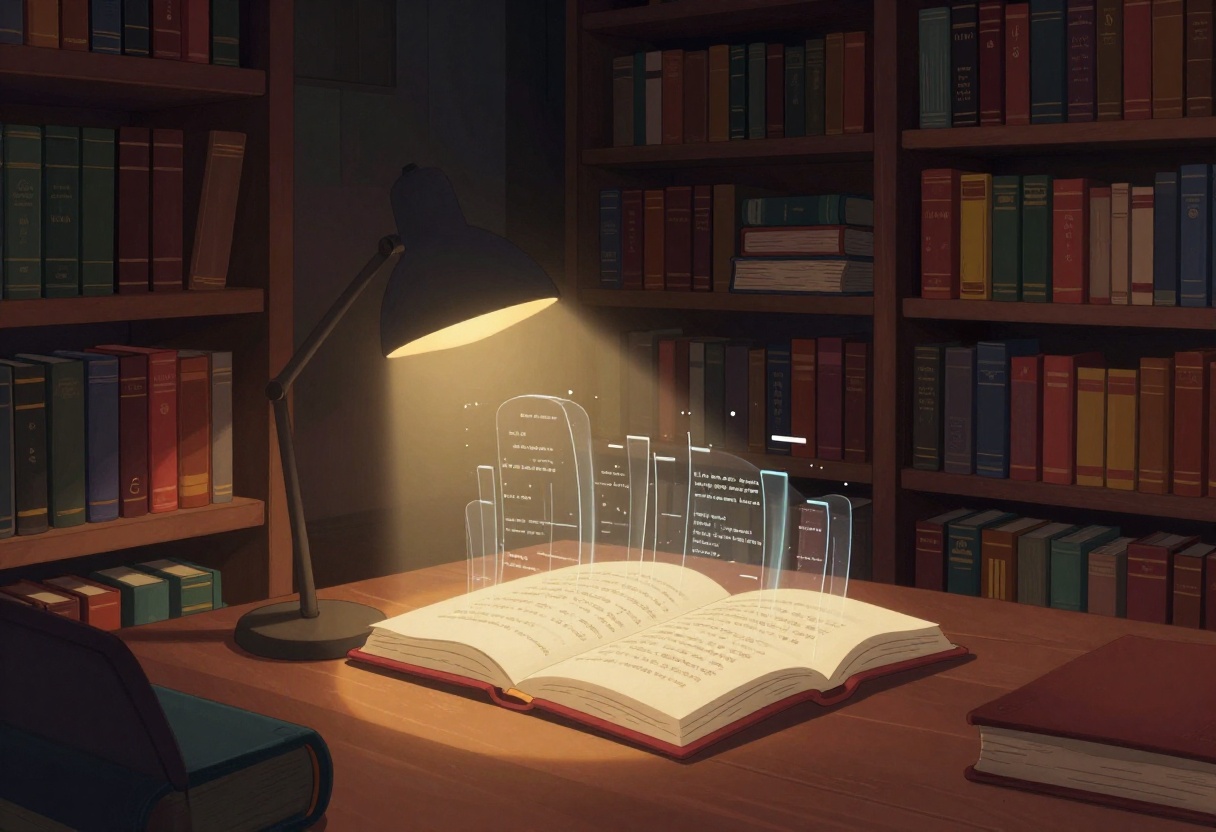
In 2024, Anthropic announced it would pay $1.5 billion to authors whose books trained its AI system Claude.
No one expected this.
For years, AI companies had scraped libraries.
They'd hoovered up novels, poetry collections, textbooks, and memoirs from the internet.
They fed millions of copyrighted pages into neural networks without asking permission or offering payment.
Authors noticed.
They got angry.
Some sued.
But Anthropic didn't wait for a court to force their hand.
They settled.
They admitted—through a check—that authors had been wronged.
The question is: wronged how?
When you write a book, you own the words on the page.
You own the right to sell it, translate it, adapt it into film.
Copyright law is clear.
Your work is yours.
But what happens when a machine reads your book?
When Claude trained on your novel, the AI didn't copy it.
It didn't republish it.
Instead, it extracted patterns.
Statistical relationships between words.
It learned that certain phrases cluster together, that certain ideas tend to follow others.
In some sense, the AI absorbed your voice—the signature way you construct a sentence, the rhythm of your prose.
It learned from you without becoming you.
Or did it?
No one agreed on what had been stolen.
Not the authors.