The rocket that launches from the ocean
The Ocean Gamble: Why China Chose the Sea
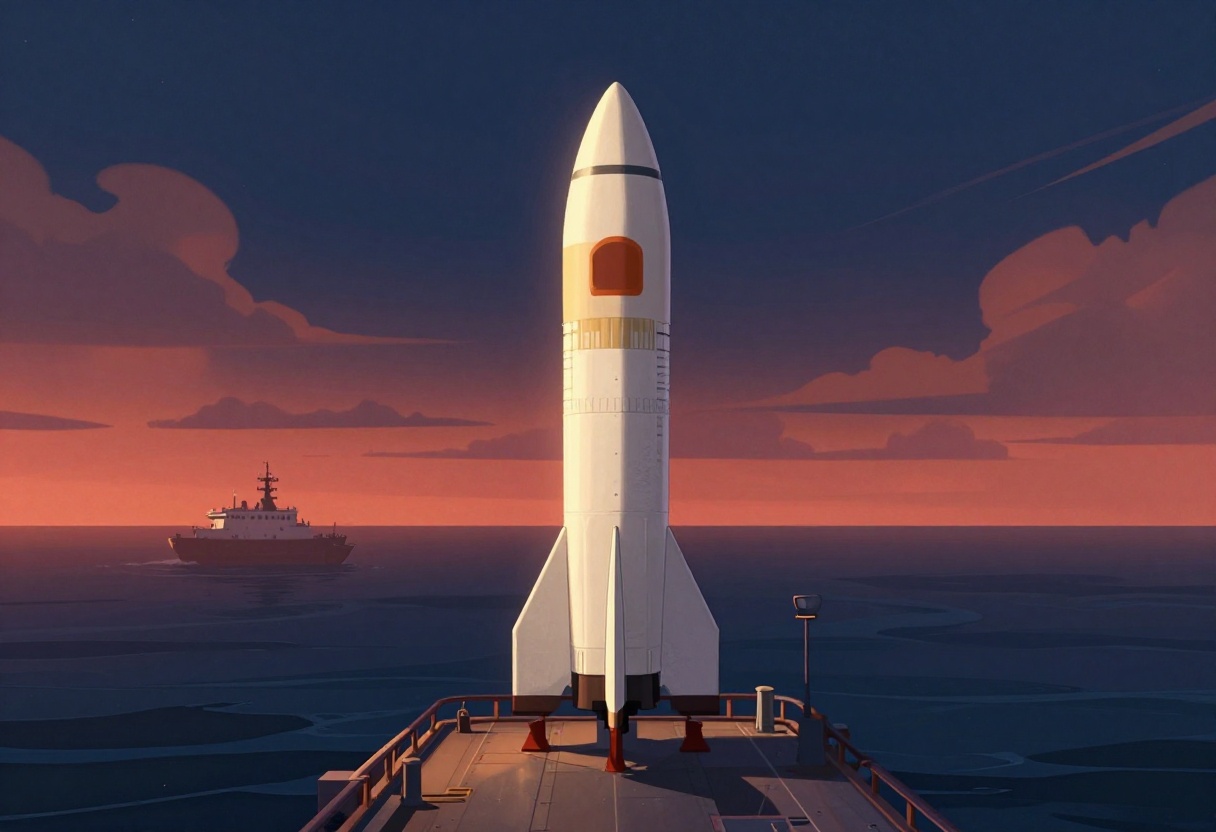
A platform sits in the Yellow Sea, bobbing on swells the color of brass.
Not a ship.
Not quite a dock.
Something between both.
On June 12, 2024, this floating stage was about to do something no rocket had ever done before: launch from the ocean with paying customers aboard.
China's Gravity-1 rocket stood vertical against the sky, tethered to the platform like a boat under final inspection.
Nine satellites waited in its nose.
Nine.
Most rockets burn fuel and thrust upward from concrete pads built into mountain stone, surrounded by reinforced walls and evacuation zones.
They need solid ground.
Bedrock.
Permanence.
Gravity-1 was different.
The rocket's developers had made a bet that made engineers on land shake their heads: water could work.
A floating launch platform could handle the violence of ignition and thrust.
But why gamble?
The answer was geography and money, tangled together like rope.
China's launch sites sit far inland, locked deep in the country's western heartland.
Rockets taking off from land must travel across thousands of miles of populated territory before they can safely drop spent fuel stages.
Every yard costs insurance.
Every settlement below the flight path adds risk and regulation.
Water changes the calculus entirely.
A platform at sea could launch toward open ocean.
No towns.
No farms.
No children sleeping in rooms below a falling booster stage.