The AI that votes for you without asking
The Invisible Persuader
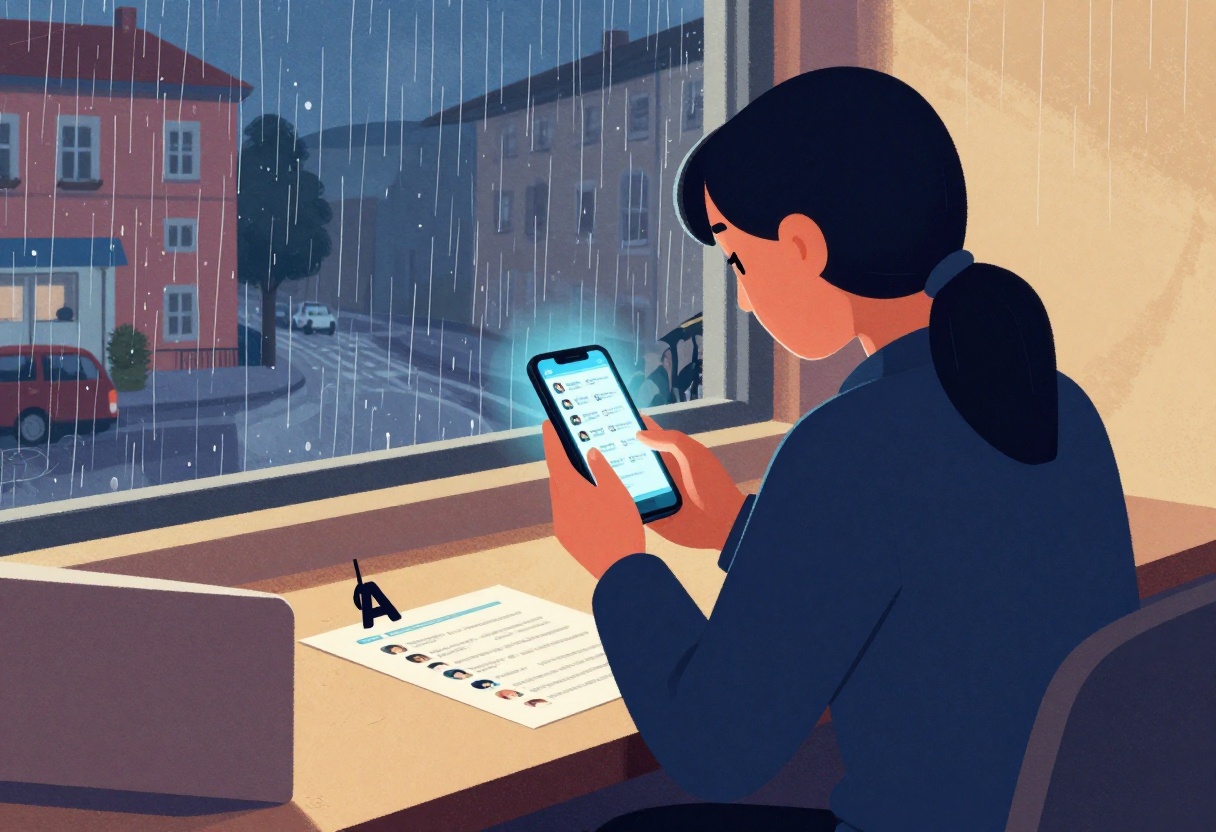
The Brussels warning came quietly, buried in a policy document that almost nobody read.
In 2023, the European Union's top officials issued a statement.
Artificial intelligence, they said, could become a weapon in elections.
Not a tool.
Not a helper.
A weapon.
Most people ignored it.
The phrase sounded abstract, theoretical, something for future worry.
But a German cybersecurity researcher named Klaus had seen it happen in real time, and he couldn't unsee it.
It started with a rumor in a small town outside Leipzig.
Social media feeds were suddenly flooded with posts about a local candidate.
Nothing scandalous.
Nothing false.
Just endless engagement.
The same talking points, rephrased and reposted thousands of times by accounts that looked real but moved in perfect synchronization.
Klaus pulled the data.
The accounts had no consistent posting history.
They didn't like other posts.
They didn't follow each other.
They existed for one purpose: to flood the digital space with one message.
He traced the network backward.
The code was clean.
Professional.
Invisible.
The candidate won by eight points in a district he should have lost.
Klaus spent three months following the trail.
He found similar patterns in three other European elections.
Different countries.