When AI becomes the laboratory itself
The Machine Proposes
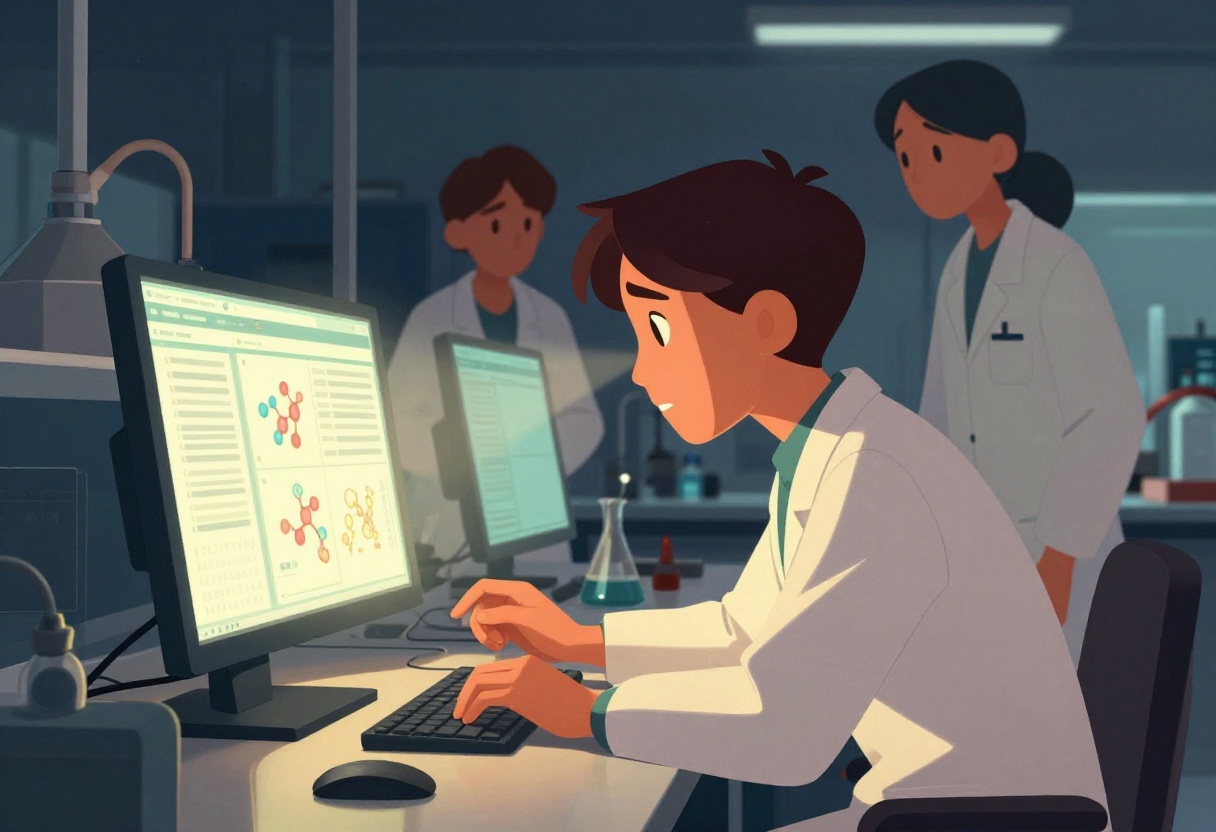
The Department of Energy had a problem that looked like progress.
For seventy years, scientists had run experiments the old way.
A researcher formulated a hypothesis.
Built apparatus.
Waited for results.
Interpreted data.
Published.
Moved on.
It took months.
Sometimes years.
By 2024, that pace felt prehistoric.
The DOE announced 278 projects in its Genesis Mission.
Not 278 new facilities.
Not 278 new teams of PhDs.
Not 278 additional budget lines.
278 AI systems that would do the work themselves.
The framing was careful.
These weren't replacements.
These were accelerators.
AI would propose experiments, run simulations, analyze outcomes, and propose the next experiment before a human researcher finished their morning coffee.
The White House had committed over $5 billion to expand it.
Dr.
Sarah Chen stood in front of a monitor at Argonne National Laboratory outside Chicago, watching one of the systems work.
It had been running for six hours straight.
Proposes experiment.
Executes.
Analyzes.
Proposes new experiment.
Executes.
The cycle had no pause.
No coffee break.
No moment of doubt where a human second-guesses the design.