Why Inventors Vanish From History
The Man Who Built India's Future
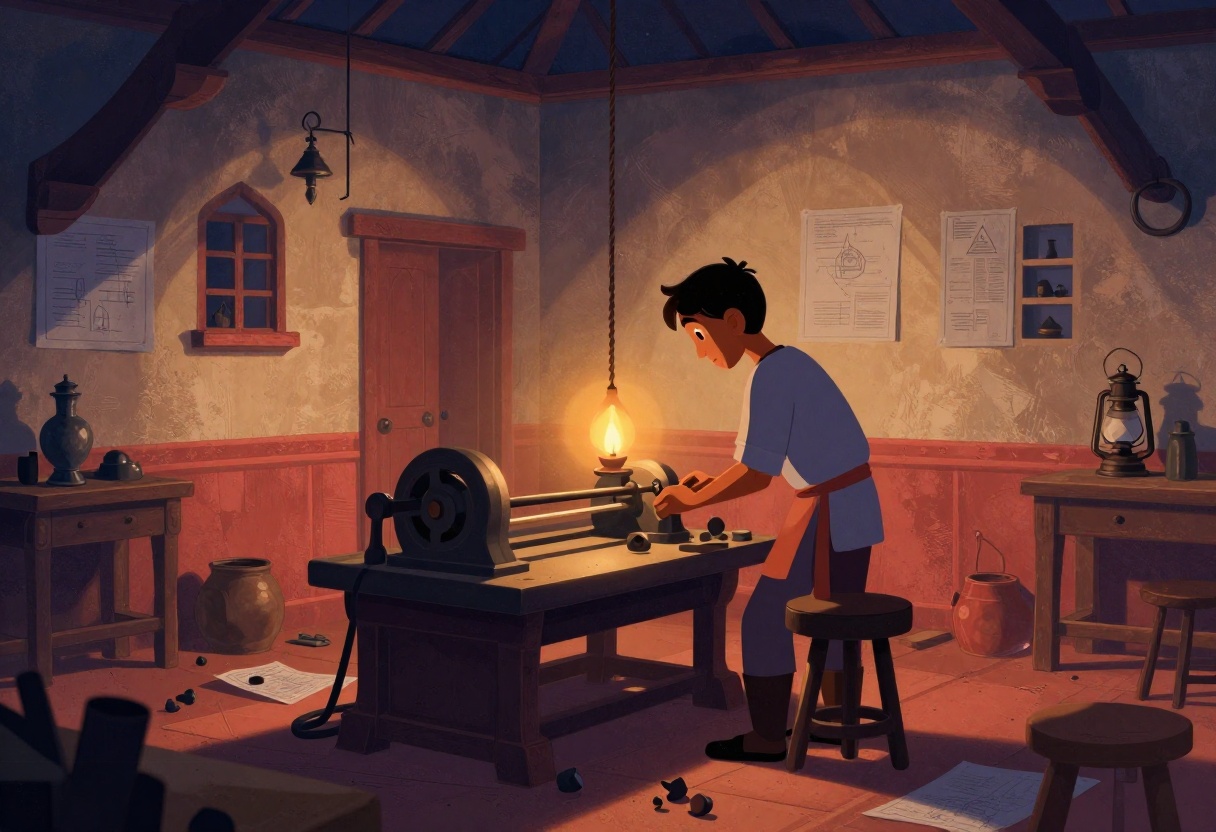
G.D. Naidu could fix anything with scrap metal and audacity. In colonial India, under British rule, a man like him should have stayed invisible. But between 1916 and his death in 1974, Naidu invented over a hundred devices. A weaving machine. An oil engine. A petrol engine. A grinding mill. Each one worked. Each one mattered.
He started in Bangalore with nothing but ambition and a small workshop. The British did not approve. They controlled patents, controlled trade, controlled narrative. An Indian man making engines threatened their monopoly on progress itself. Yet Naidu persisted. He educated other Indians. He shared blueprints. He built not just machines but a movement.
Today his name vanishes from most histories of invention. Western textbooks credit European and American engineers with breakthroughs Naidu had already created. Indian schoolchildren learn about Thomas Edison, not the man who lit their own country's path forward. How does a figure so prolific become so thoroughly forgotten? The answer lies in who gets to write history—and who profits from erasure.