Why Small Schools Grow What Big Systems Can't
How Seven Students Built One of Australia's Best Gardens
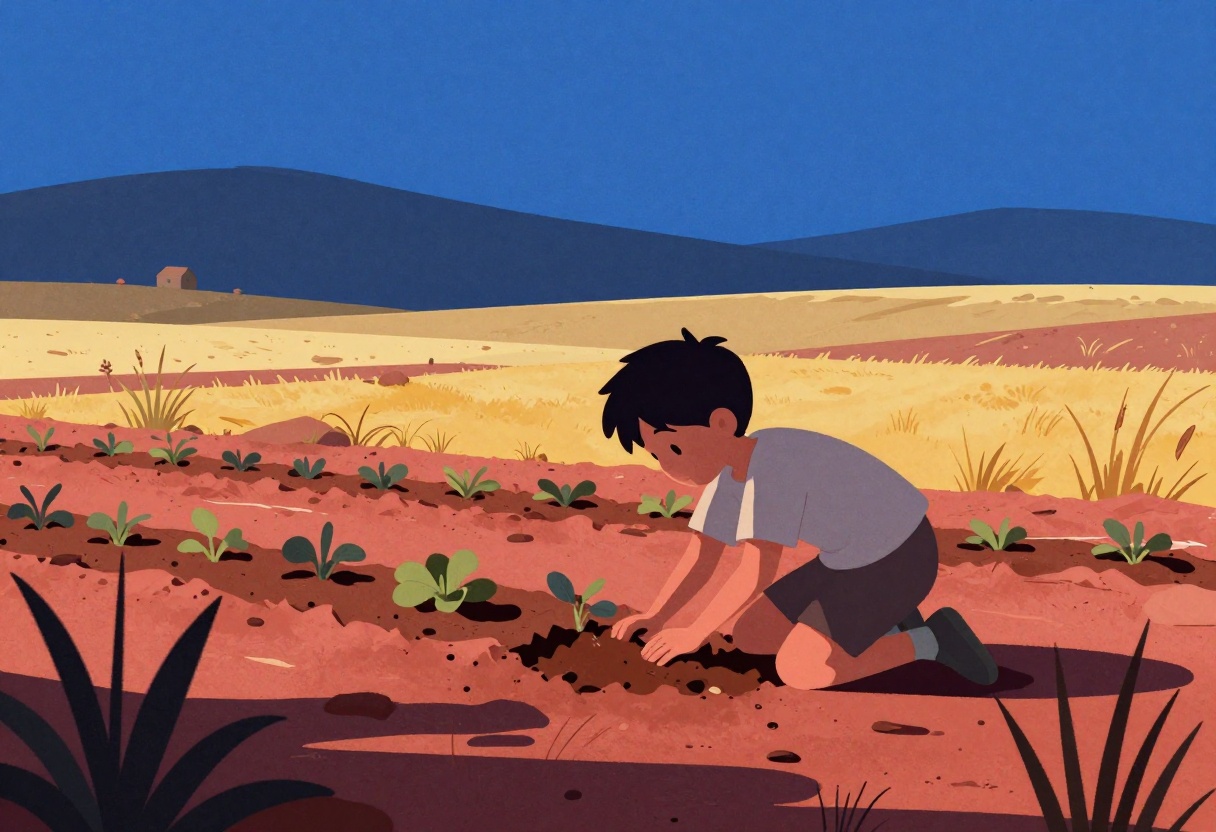
The school sits on red earth ninety kilometres from the nearest town. Seven students. One teacher. A kitchen garden that had won recognition across the country. Nobody planned it that way.
It started with a problem. The land was dry. The summers kept getting hotter. A teacher arrived one year and found herself staring at bare dirt and asking a simple question: what if we grew food here instead?
So they dug. They planted warrigal greens, the kind that laugh at heat and drought. They built soil from scraps. They hauled water. They failed. They tried again.
By the third year, the garden was producing. Greens, vegetables, fruit. Real food from a patch no bigger than a suburban block. Visitors started appearing from cities three hours away. Agricultural experts photographed the rows. State education departments sent delegations.
But something else happened first. Something the teacher hadn't expected.
The seven children stopped looking at the garden as a project. They started looking at it as home. And the community, watching from the edges, began asking: what are they actually growing here? Not just food. Something bigger.
What happens when survival gardening becomes the entire curriculum?