Why Early Color Warns of Planetary Shifts
The Crimson Alarm: How Trees Know What We Don't
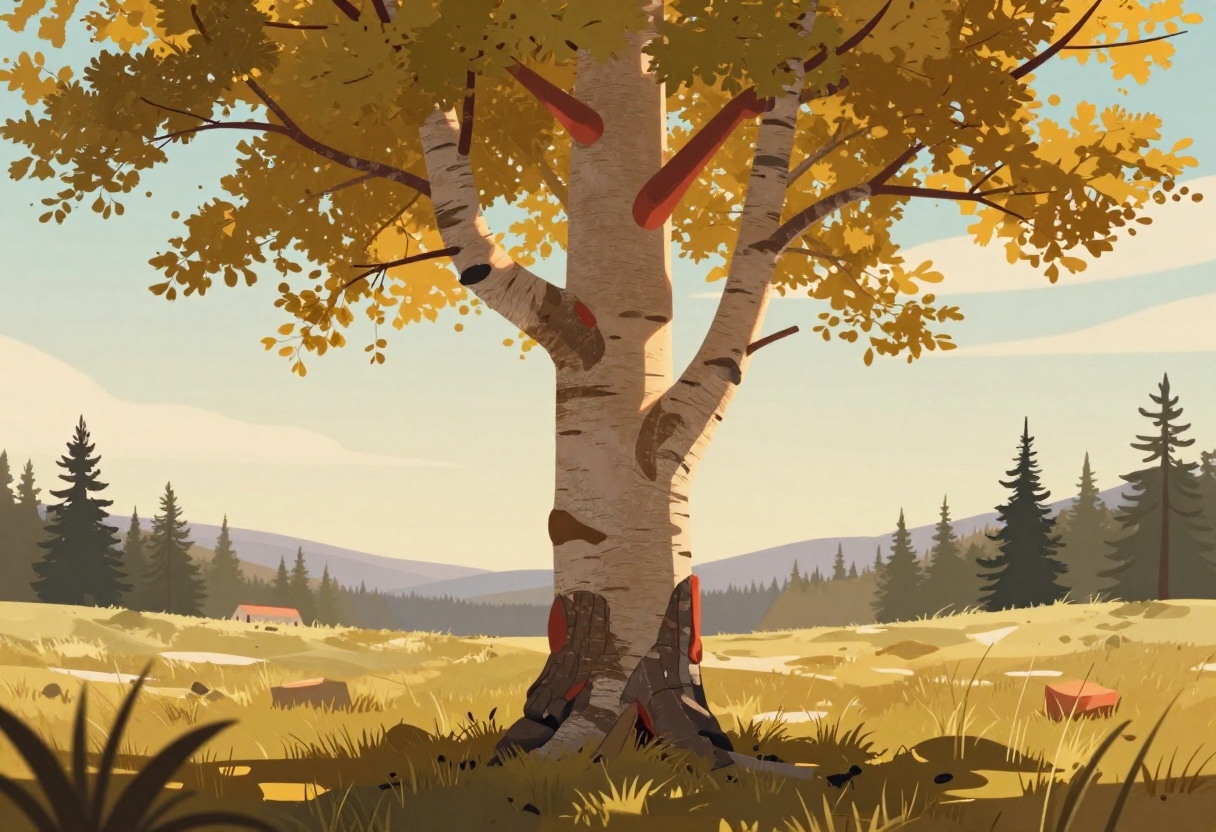
The tundra around Nunavut was supposed to stay green through October. This year, reds and yellows swept across it by late August.
Scientists noticed. They always do when the calendar breaks.
A tree doesn't know what year it is. It reads signals: how many hours of daylight remain, what the temperature has been, whether water is scarce. Somewhere inside the chlorophyll, a decision forms. Not conscious. Biological. The tree begins to pull back, to prepare for dormancy, to drain its leaves of green and leave behind the reds and golds hidden underneath all summer long.
But the signals are lying now.
For decades, phenologists—scientists who track when things happen in nature—have watched autumn arrive earlier with each passing decade. The trend is unmistakable. Leaves that turned in mid-September now blaze by early September. In some regions, by late August. The calendar is shifting, and the trees are responding to a new rhythm that humans have written into the air and soil and sea.
The mystery isn't why the colors are changing. The mystery is what happens next.