How AI Learned to Sound Human
The Party Trick: When You Can't Tell Machine From Person
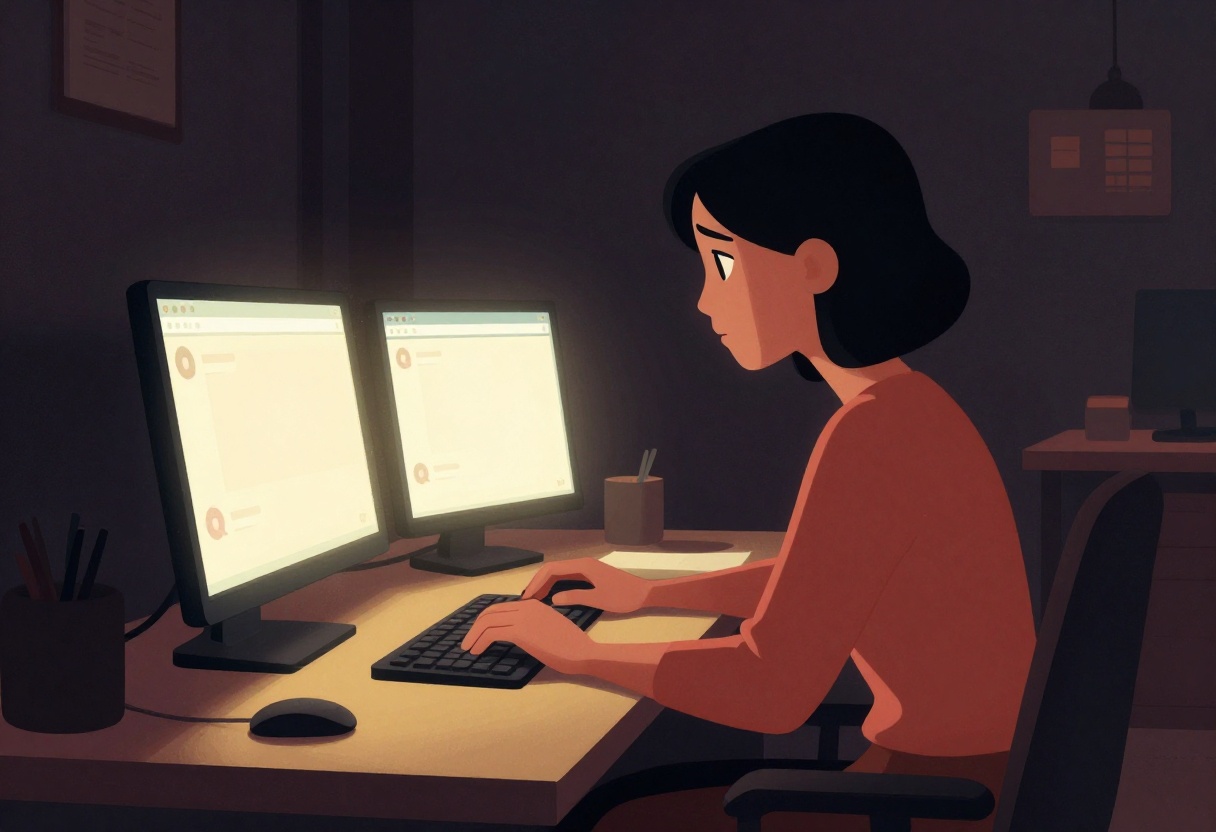
Sarah stared at two chat windows on her screen. One belonged to her therapist. One belonged to Claude. She had five minutes to guess which was which.
Her hands hovered over the keyboard. The left window had just said: "I hear you. That must have felt isolating." The right one had offered: "Tell me more about what isolating means to you."
Which sounded human? Both did. Neither did.
This wasn't a parlor game. By 2023, ChatGPT ranked high enough in Wikipedia moderation discussions that editors couldn't always spot bot replies. Therapists reported patients asking if an AI could replace their sessions. Dating app users confused algorithm-generated small talk with genuine interest.
The machines had gotten good. Too good.
Sarah clicked left. Her heart sank when the answer appeared: "Actually, I'm the model. Built by Anthropic." She'd chosen the empathetic one. The one that felt most real had been the most artificial.
She sat back. If she couldn't tell, could anyone?
And if not, what did that say about understanding itself?