How Trade Wars Reshape Supply Chains
The Breaking Point: Why Canada Walked Away
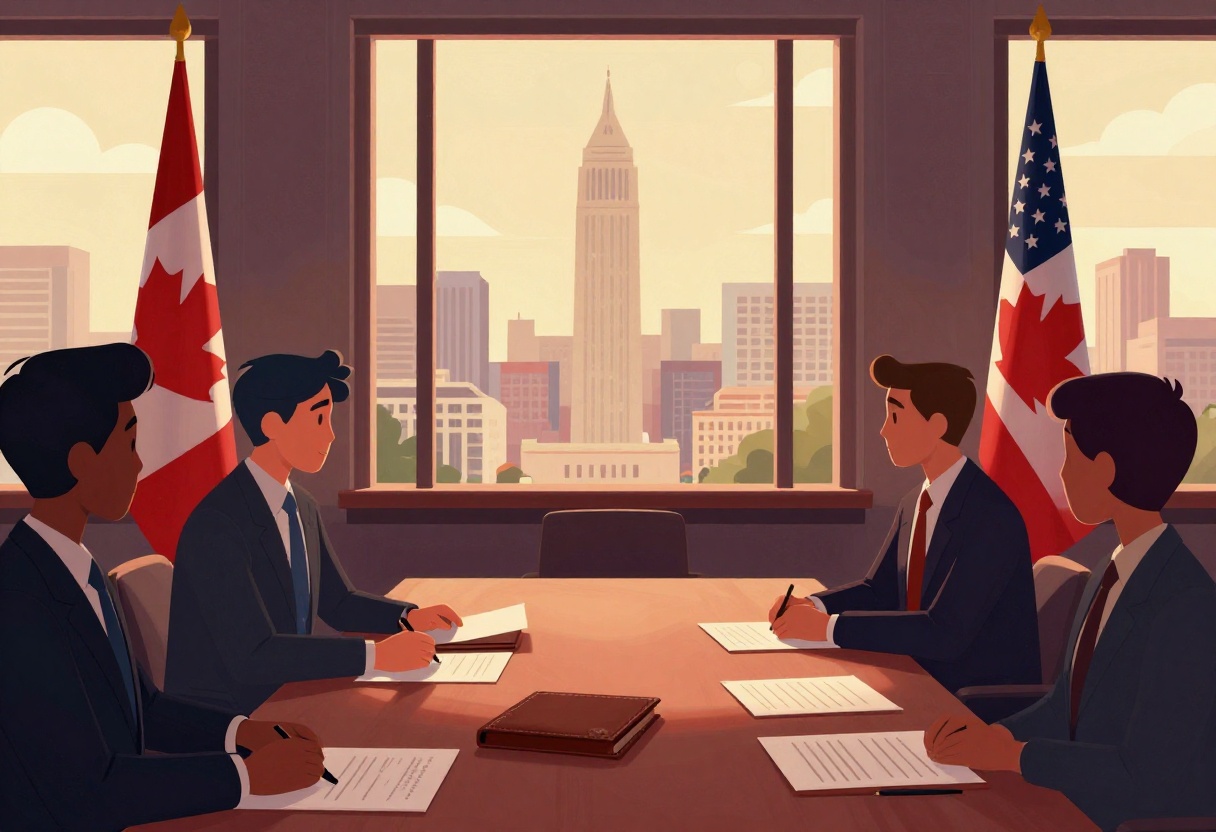
The room in Washington was cordial. Then it wasn't.
Canada's negotiating team sat across from U.S. officials in late 2024, trying to salvage something from trade talks that had been deteriorating for months. Donald Trump's return to the presidency had hardened American demands. The math stopped working.
Stephen Harper, speaking publicly after the talks collapsed, was blunt: Canada had "no choice" but to walk away. The alternative was accepting terms that would have gutted Canadian manufacturing and agriculture. So the delegation packed their briefcases and headed home.
Within days, both nations began raising tariffs. Canada targeted bourbon, orange juice, and pickup trucks. The U.S. threatened automotive parts and softwood lumber. Each move was surgical—designed to hurt specific constituencies in the other country's political heartland.
But something else had shifted. Supply chains that had been stitched together over thirty years of continental free trade were suddenly fragile. Manufacturers started asking questions they hadn't asked in decades: Do we keep sourcing from Canada? Can Mexico absorb more? Should we build factories in Ohio instead?
No one knew what would break first. The political will to negotiate? Or the commercial logic that had held North America together?