When Inflation Hides the Real Story
The Shelves Tell a Different Story
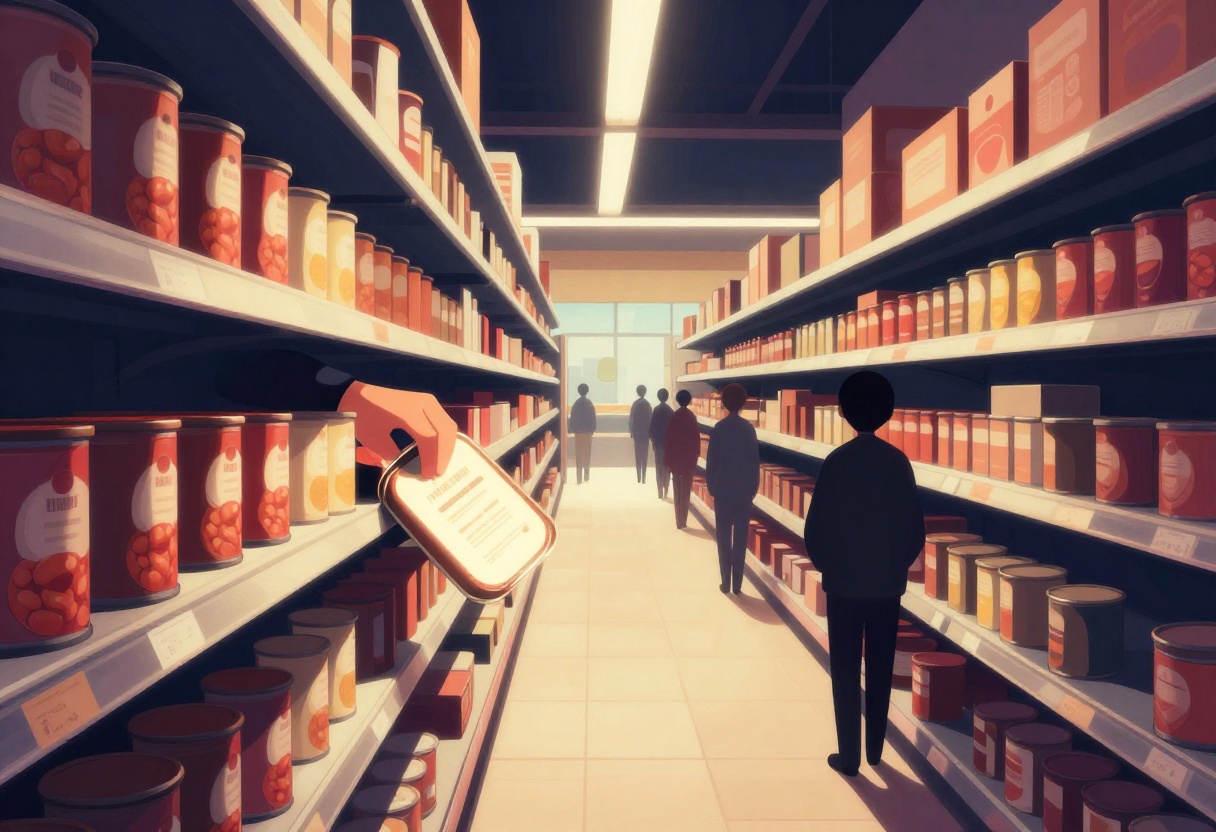
A tin of baked beans cost £0.65 last month. This month it costs £0.73. The label says it's the same beans. Same tin. Same shelf position.
But something has shifted.
British shop price inflation just hit its highest level since 2024. On the surface, that sounds like a problem for retailers. In truth, it's the opposite. Retailers have spent two full years absorbing cost increases themselves—squeezing margins, negotiating with suppliers, swallowing losses. They've been a financial shock absorber for the nation.
Then the absorber broke.
Starting in late 2025, shops stopped taking the hit. Tesco, Sainsbury's, Asda, Iceland—they all began passing costs directly to customers. Not gradually. All at once. The price on the shelf finally reflected what they'd been paying all along.
This wasn't greed. It was mathematics. Retailers reached a point where absorbing any more costs would mean closing stores, cutting jobs, or disappearing entirely.
The question nobody's asking is simple: if shops have finally hit their limit, what does that tell us about what's really happening underneath?