When Disease Becomes a Test of Transparency
The Waiting Room: Kenya's Gamble on Silence
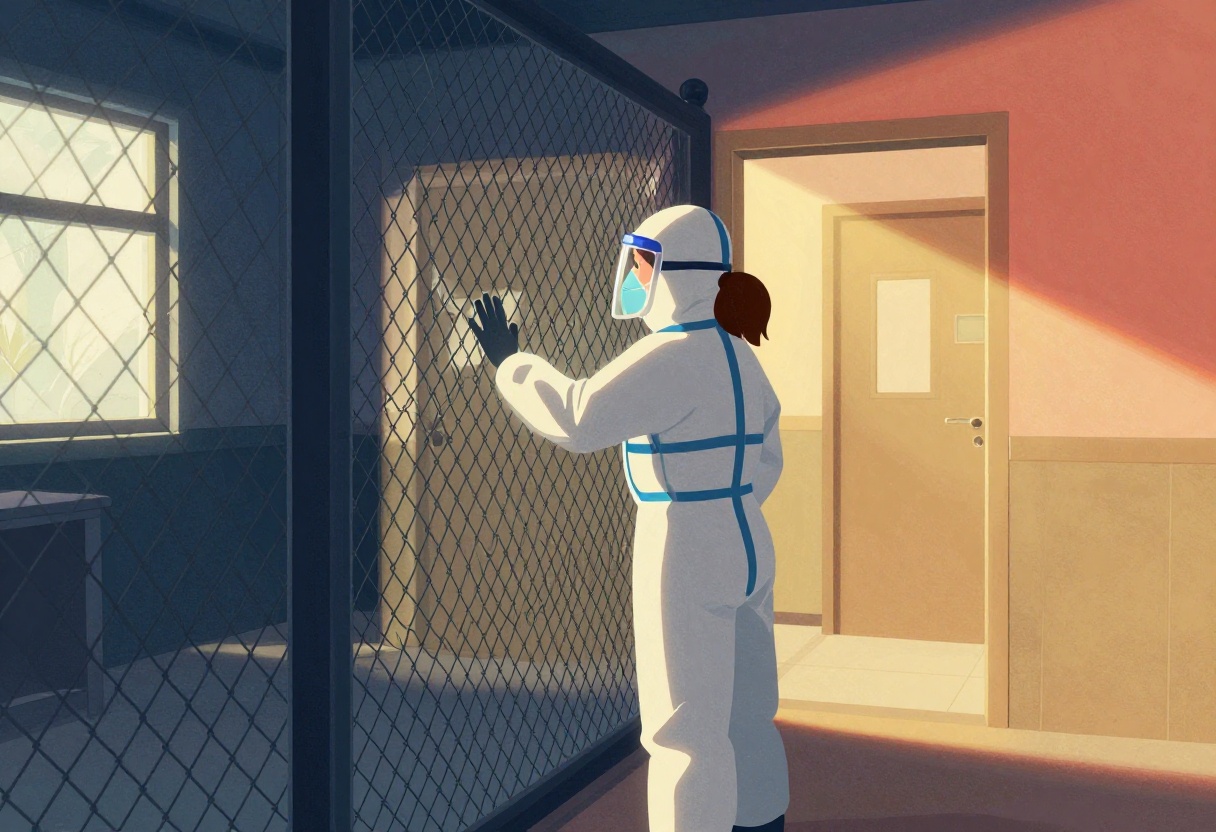
Twenty people walked out of quarantine in Kenya on a Tuesday morning in March 2024.
No cameras. No statements. Just twenty contacts of an Ebola patient, released after twenty-one days of monitoring, their blood tests negative, their threat level declared manageable. Kenya had contained its outbreak. The nation moved on.
But in Kinshasa, six hundred miles southeast, the Democratic Republic of Congo was not moving on. Cases were climbing. Health workers were dying. International teams were arriving with experimental vaccines, but the numbers kept rising anyway.
Here was the strange arithmetic of modern epidemiology: one country celebrates containment while another spirals deeper into crisis. Both had the same virus. Both had access to the same tools. Yet Kenya's quarantine worked while Congo's response fractured.
The difference was not biology. It was what governments chose to tell—and what they chose to hide. When a health ministry fears the answer to a simple question, the question itself becomes dangerous. Transparency becomes a liability.