Why Student Movements Force Systems to Confront Their Decay
When the Young Stop Waiting: Four Countries Wake Up at Once
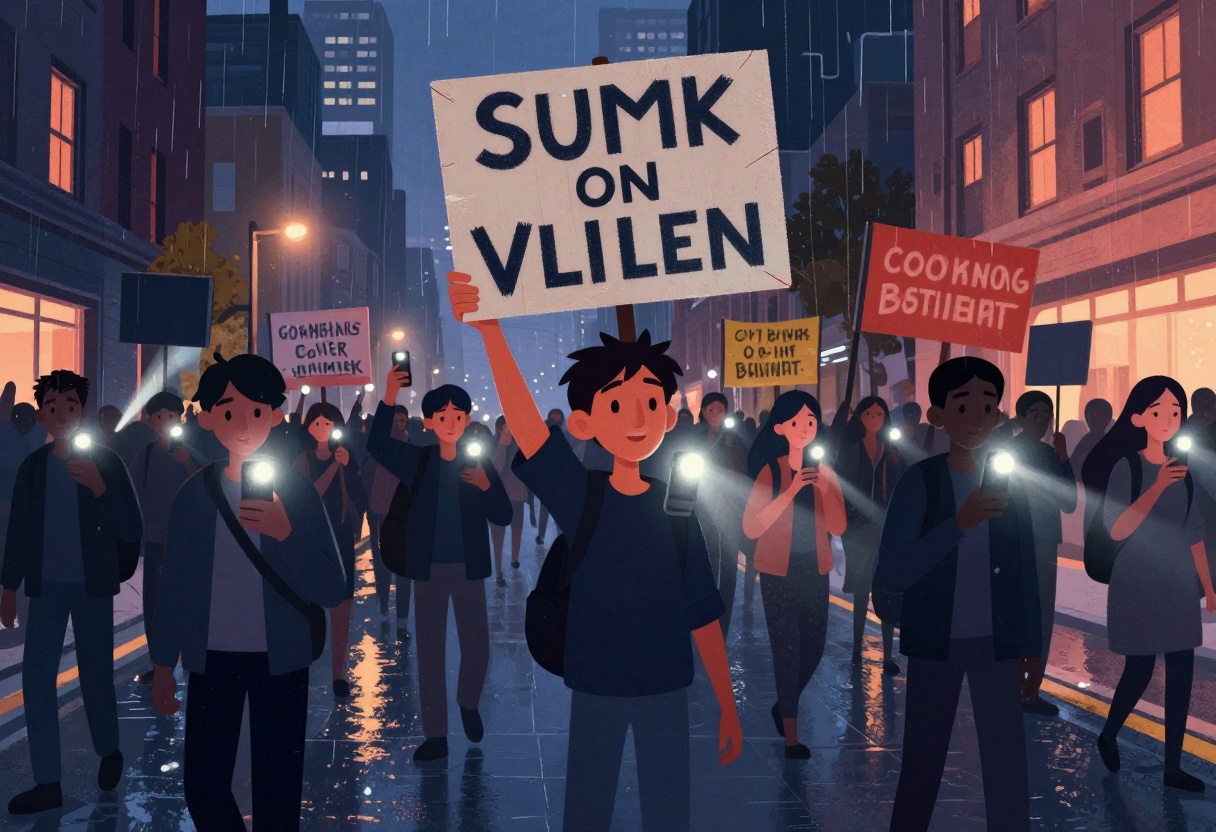
In 2023, something shifted. Serbia's streets filled with students furious over a school shooting and a government that buried it. Bangladesh erupted months later—students demanding quota reform, then discovering they were demanding something larger: a government that might actually listen.
Nepal and Madagascar followed their own rhythms, same fury, same roots. Corruption ran so deep the young couldn't ignore it anymore. They weren't protesting single issues. They were protesting the entire shape of their countries.
A UN human rights official watched this cascade unfold across continents with no coordination between them. No shared messaging. No central plan. Just young people in four separate nations reaching identical conclusions: the system was rotting, and waiting for adults to fix it meant accepting slow death.
That's when the question surfaced: What do democracies look like when their own youth stop believing they exist?
The governments responded with the usual toolkit—arrests, water cannons, claims of foreign interference. But something was different this time. The young kept coming back. And they brought harder questions each time.