How Drought Turns Forests Into Fuel
How Drought Turns Forests Into Tinder
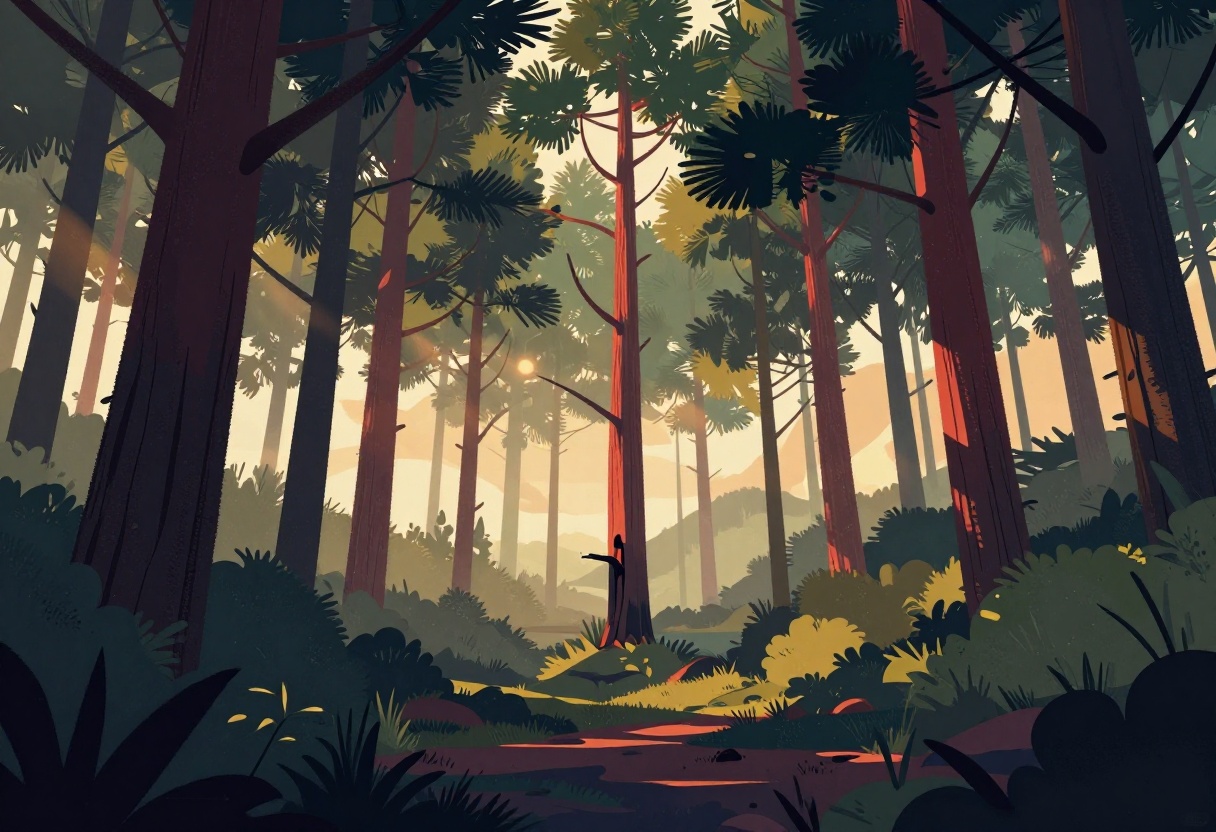
The forest didn't burn itself. It was prepared, layer by layer, for years. Drought does this work invisibly. It drains the soil. It starves the roots. Trees that should have fallen into renewal instead hang dead in the canopy, waiting. Scientists call it fuel load accumulation. Foresters call it a problem they've stopped managing. The pines and oaks around Charleston, South Carolina, had been getting drier since the 2010s. Not in a way anyone noticed at first. Just less rain in summer. Then less in spring. The moisture that once kept living wood pliant and resistant simply vanished. A healthy forest sheds its dead biomass naturally. Fire passes through, clears the debris, lets new growth begin. But when drought prevents this cycle—when climate patterns shift faster than the forest can adapt—something different happens. The dead material stays. It accumulates. It waits. And when the heat arrives, when a late-summer high-pressure system parks itself over the Southeast and temperatures spike to 95, 98, 100 degrees Fahrenheit, even the living trees begin to dry. Their defenses fail. Their moisture content drops to dangerous levels. The forest becomes tinder. The question nobody asked until flames appeared: Why did we wait until the spark?