Why Borders Become Walls When Trust Collapses
The Blast That Shattered Silence
A landmine exploded in the Korean Demilitarized Zone in late 2024. Two South Korean soldiers were wounded. The blast was small enough to fit in a hand. But what followed was not.
North Korea denied planting it. South Korea responded by restarting loudspeaker broadcasts—propaganda and pop music aimed across the border. The North threatened to resume its own speakers in return.
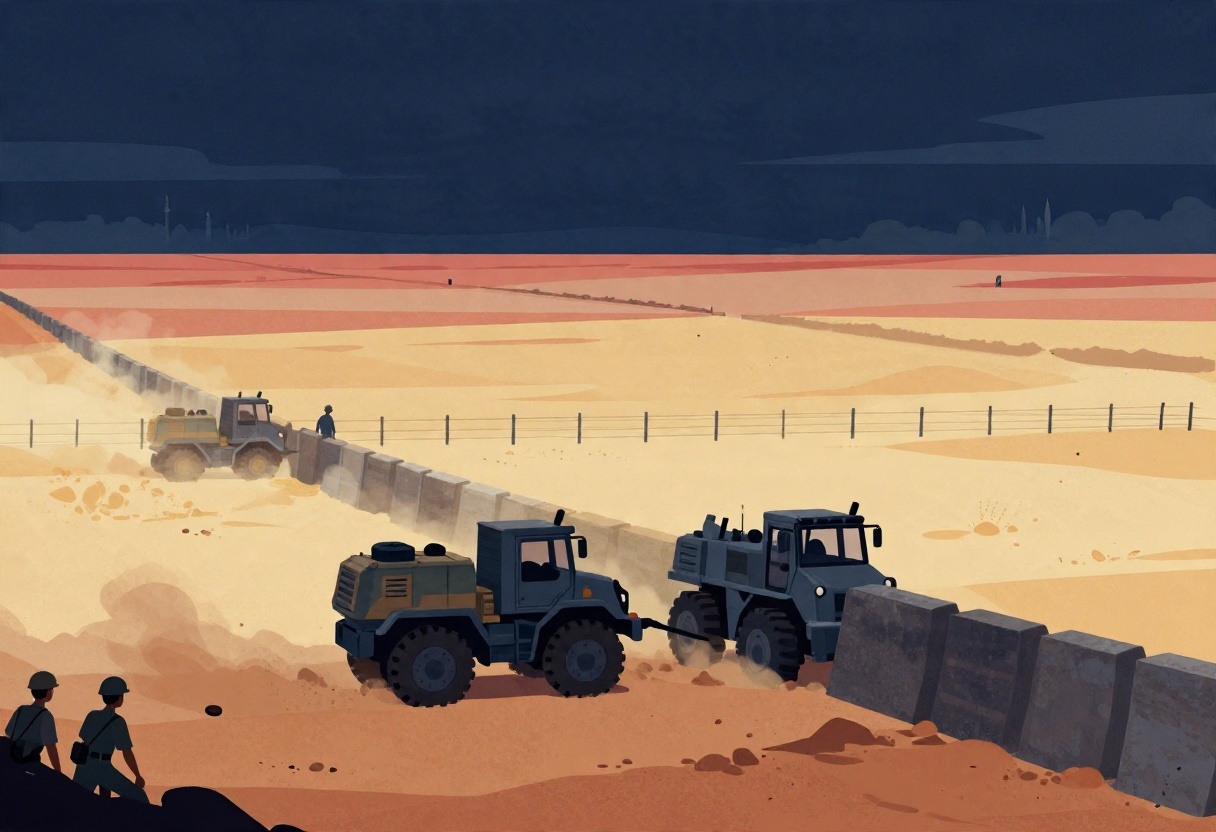
Then came the fortifications. Bulldozers began moving earth. Concrete barriers rose. Soldiers planted new mines. Military units deployed along the line that has held since 1953.
This is what borders do when trust dies. They stop being lines on a map. They become walls. They become moats. They become reasons to suspect your neighbor of everything.
But here's what nobody talks about: on both sides of that line, there are families. Grandmothers who remember brothers they never saw again. Children born into a separation that predates their own existence. The border wasn't always a fortress.
What changed?