Why Hunger Is the Secret Weapon of War
The Hunger Map: Where War and Starvation Overlap
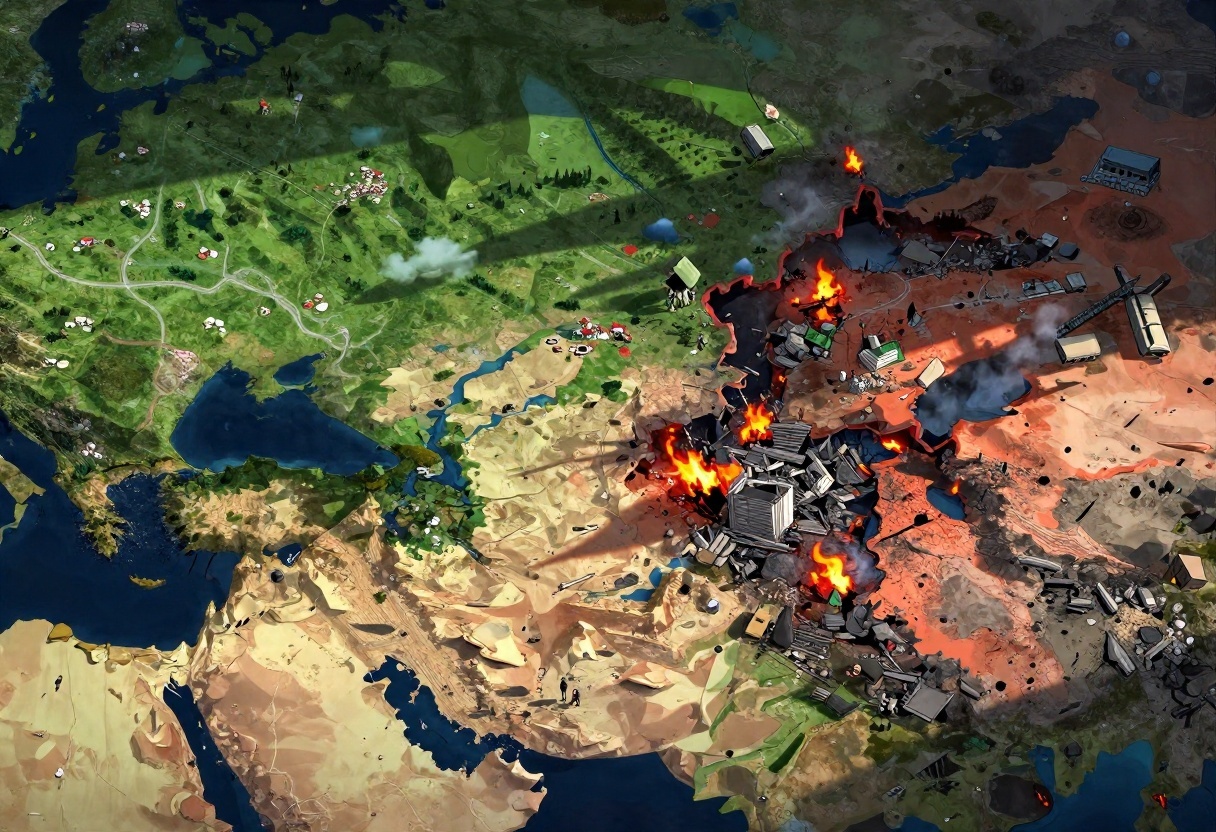
Two hundred sixty-six million people face acute hunger right now. Two-thirds of them live in war zones. The math is brutal and simple: conflict is the hunger machine.
Luke Lindberg runs the World Food Programme. He doesn't mince words. Ending war, he says, is the single most effective hunger intervention on earth. Not better seeds. Not irrigation systems. Not food aid. War stopping.
Yet we spend two trillion dollars annually on weapons. Governments build missiles while children starve in territories they control.
The hunger map reveals the pattern instantly. Yemen. Syria. South Sudan. Afghanistan. Ukraine. Somalia. Draw a line around active conflict zones and you've drawn a map of starvation. The overlap isn't coincidence. It's causation.
Conflict destroys farms. Bombs crater fields. Soldiers requisition grain stores. Supply routes vanish. Markets collapse. Farmers flee. In the wreckage, people don't starve because food doesn't exist globally. They starve because violence has severed the connection between abundance and their mouths.
But here's the question that haunts hunger researchers: if ending war is the most powerful solution, why do we spend so much energy on everything else?