When Silence Breaks, Survivors Find Voice
The Boy in the Corner: Patrick Stewart's Hidden Wound
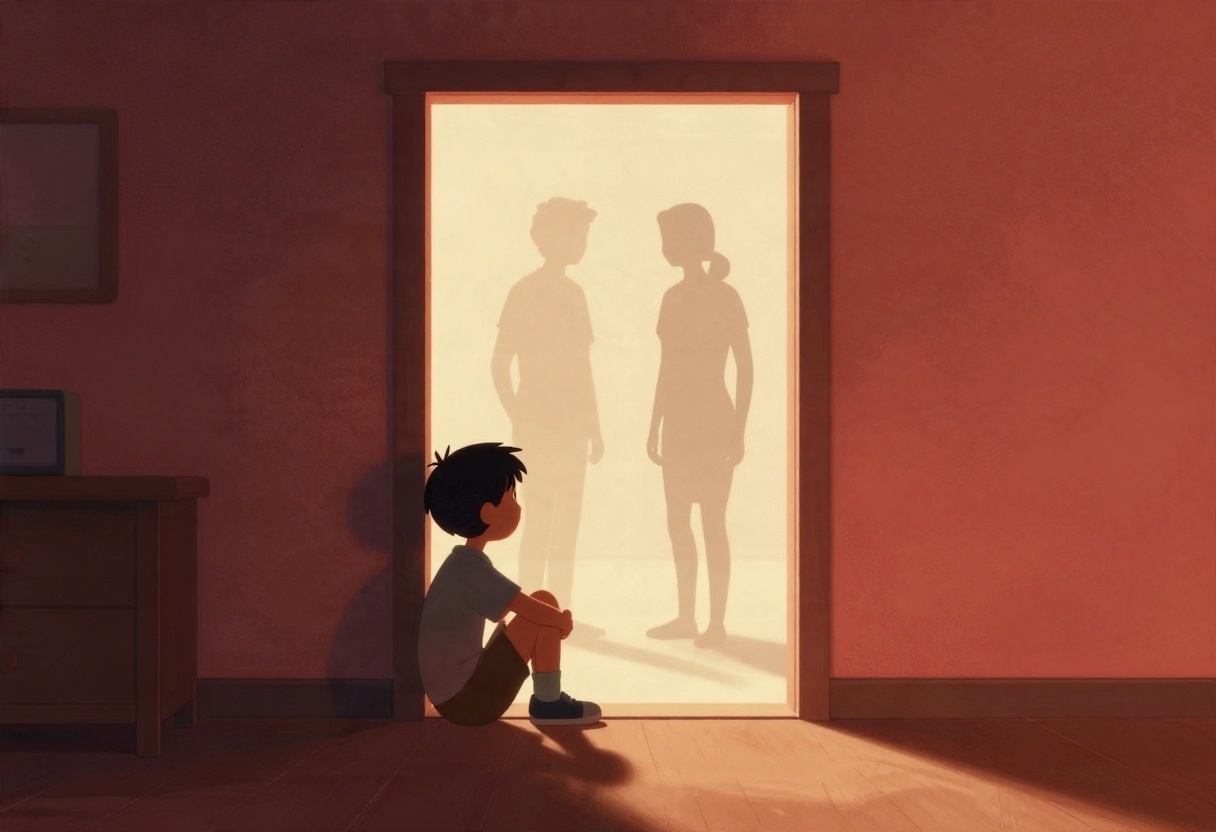
Patrick Stewart was eight years old when his father came home drunk and his mother didn't leave fast enough.
The house was small. There was nowhere to hide. He watched it happen—the rage, the fists, the way his mother's body learned to brace for impact. A child has no framework for this. No language. No way to understand that what he's witnessing is not normal, not inevitable, not something he caused.
He became very good at being quiet.
For decades, Patrick Stewart the actor—the man with the commanding voice, the Shakespearean training, the presence that filled rooms—carried this silence like a stone. He built a career on inhabiting other people's pain. He performed anguish on stage and screen. He became expert at emotional truth in front of thousands.
But offstage, about the violence in his childhood home, he said nothing.
Why did a man so fluent in confession remain silent about the wound that shaped him? What kept one of the world's most articulate voices locked on this one subject? The answer lies not in weakness, but in the exact opposite: survival.