When Geography Creates Accidental Art
The Accidental Face: How Vega Island Got Its Skull
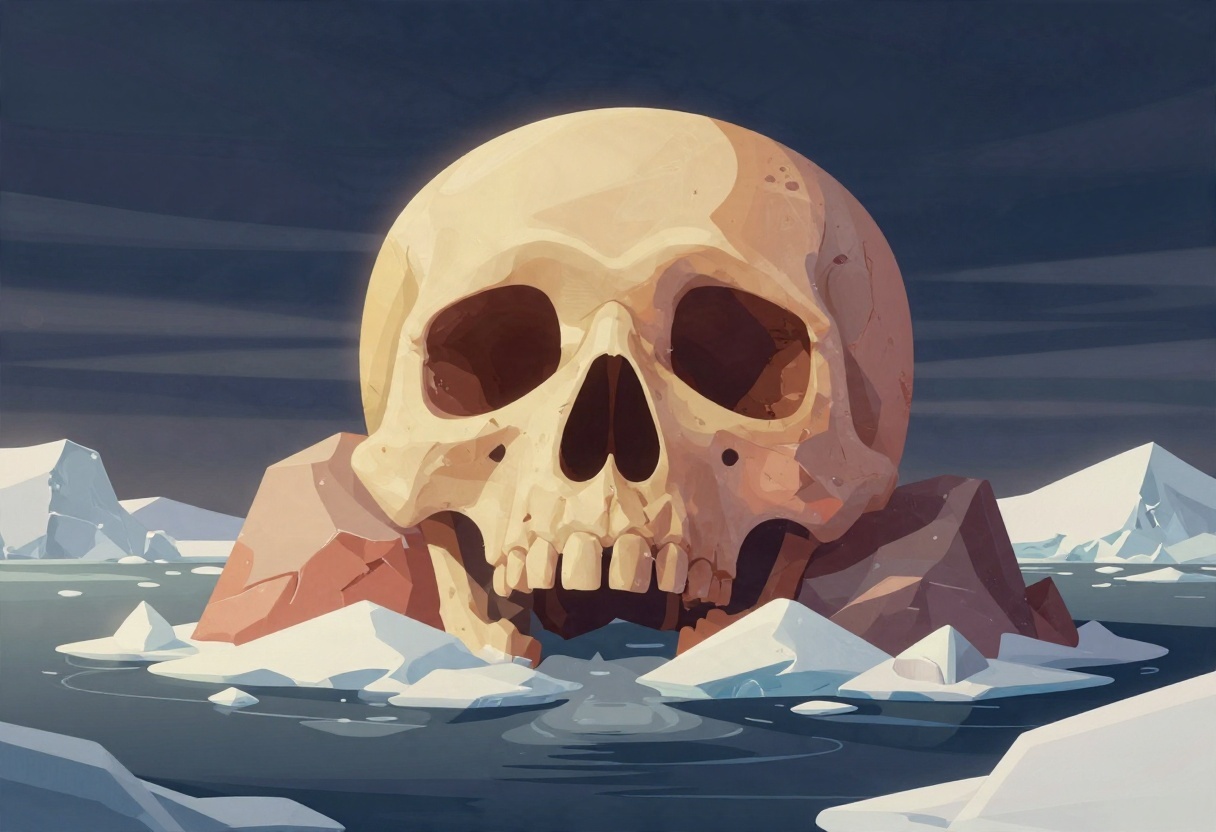
Vega Island sits in the Weddell Sea, frozen and remote, a speck of Antarctica most people will never see. Pilots flying overhead in the 1970s noticed something unsettling. The island's ridges and valleys had arranged themselves into the shape of a skull.
A massive grin. Deep eye sockets. The bone structure of something long dead staring upward at the sky.
No artist designed it. No sculptor chiseled it. The island simply broke and weathered and froze over thousands of years until erosion carved what looked unmistakably like a human face into its surface.
The sight of that icy skull-like visage triggered something primal. People began flying there deliberately. Researchers photographed it. The image circulated. Vega Island became famous not for what it was, but for what it accidentally looked like.
Yet here was the puzzle: if a blank canvas of rock and ice could create such a powerful, recognizable image without trying, what did that say about the images we chase and design with our whole intention behind them? What made this accident more striking than any monument built on purpose?