Why Prohibition Creates the Opposite
The Ban That Backfired: Taliban's 2022 Poppy Prohibition
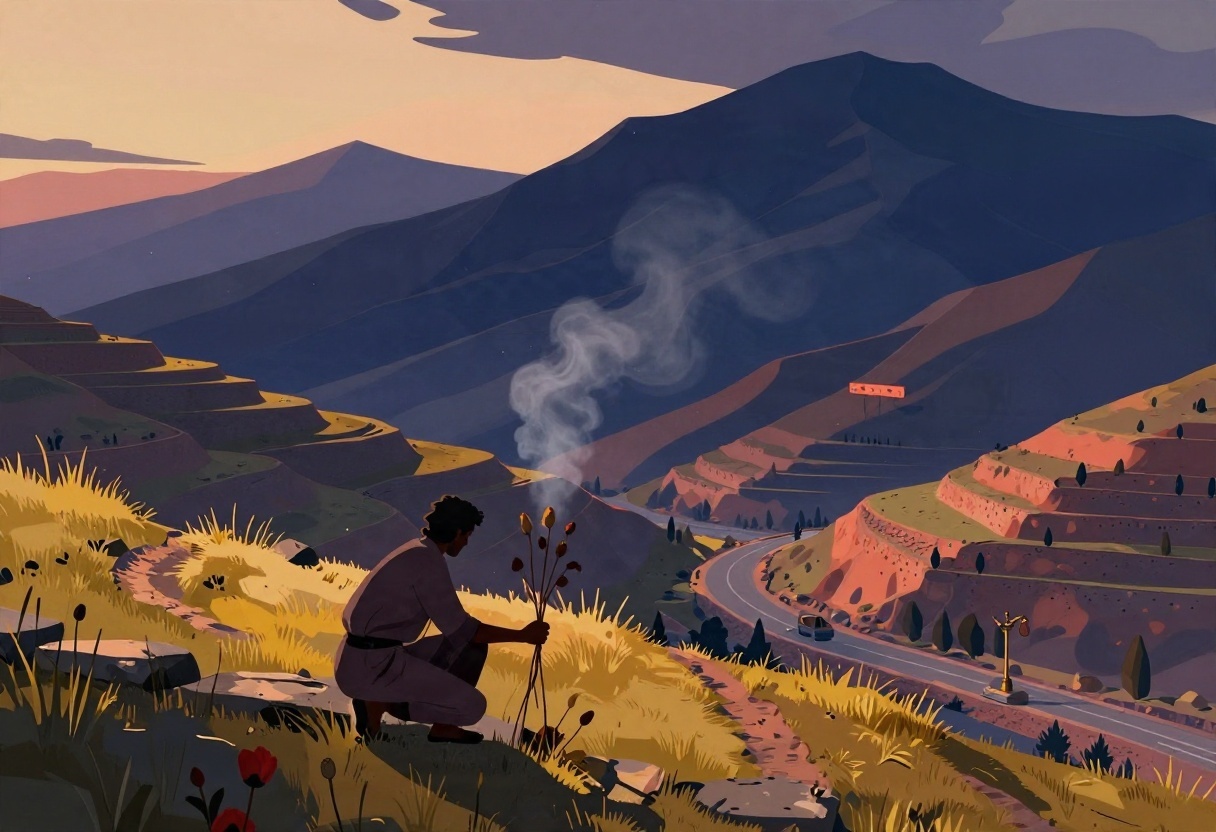
In spring 2022, the Taliban issued a decree. No more poppy. Farmers across Afghanistan received the order with a strange mixture of relief and dread. Poppy had sustained them for decades, but it also made them targets—American soldiers, drone strikes, eradication teams. The ban promised safety.
For a moment, it seemed to work. Satellite images showed fields browning. International observers celebrated. The UN announced Afghanistan was becoming opium-free. Washington quietly thanked the Taliban for solving what billions in military spending had failed to achieve.
Then the farmers started paying attention to the numbers.
Poppy prices, which had hovered around $150 per kilogram, began climbing. By late 2023, they reached $300. By 2024, $500. Someone was still buying. Someone needed the crop desperately enough to pay whatever it cost. The ban had transformed poppy from a commodity into contraband—and contraband commands premium prices. Farmers faced a choice that felt less like a choice. Risk prosecution under Taliban law, or watch their families starve on the price of legal crops.
What happened next surprised everyone.