When Nations Rebuild What They Destroyed
The Ash and the Atom
Japan in 1945 was a nation erased. Fire had consumed its cities. Atomic light had burned two of them to nothing. The surrender came as relief and terror in equal measure. People emerged from shelters to count the dead and salvage what remained. A factory wall. A child's shoe. A photograph that had survived.
They rebuilt. Factories rose. Neighborhoods took shape. Children attended schools built on vacant lots where houses once stood. The economy stirred. By 1954, nine years after the war ended, Japan was learning to breathe again.
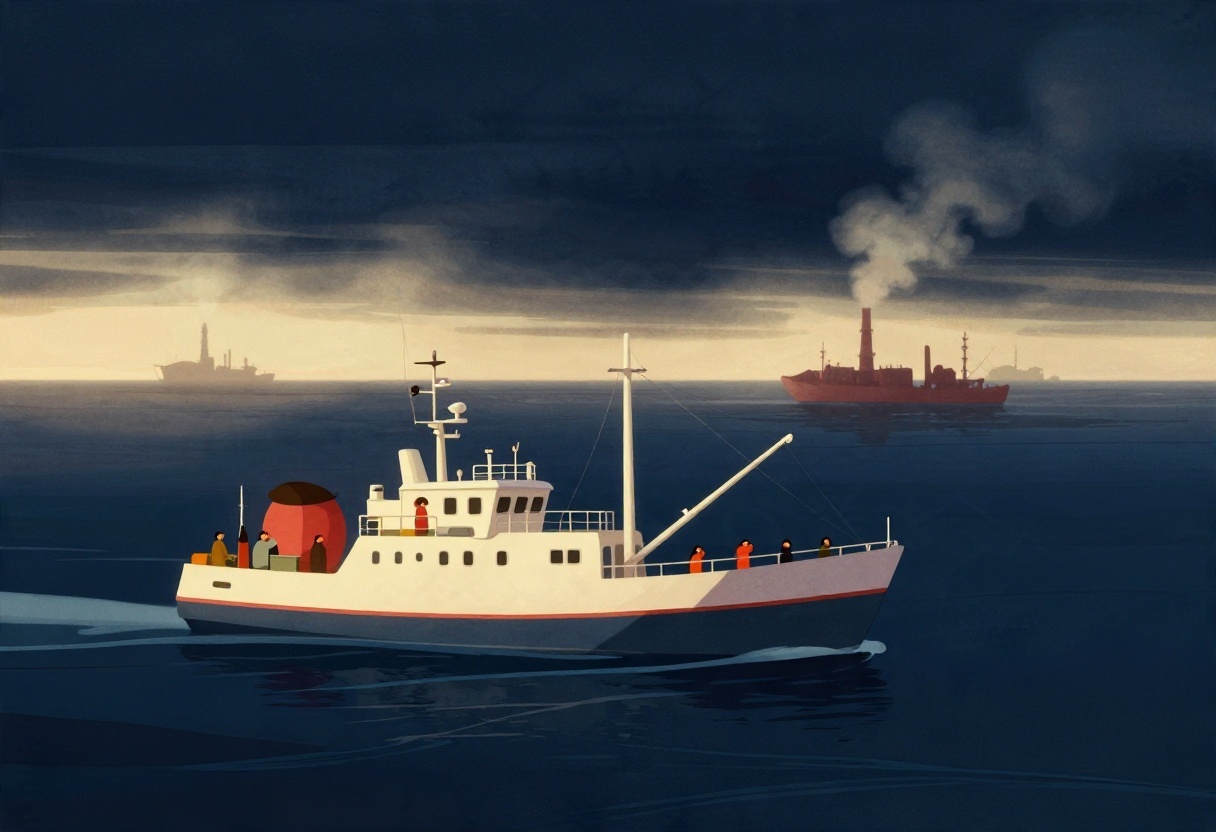
Then the reports came from the Pacific. A merchant vessel, the Lucky Dragon, had drifted into radioactive waters. Its crew absorbed invisible poison. Within weeks, they were dying. Fishermen. Wives. Ordinary people poisoned not by war, but by something worse—the ghost of war that refused to stay buried. Japan had survived the destruction. But what killed the fishermen was different. What killed them was still being born, still spreading, still hunting. And it had a name that would soon terrify the world.