How One Actor Defined What Excellence Means
The Final Bow: Death and Legacy
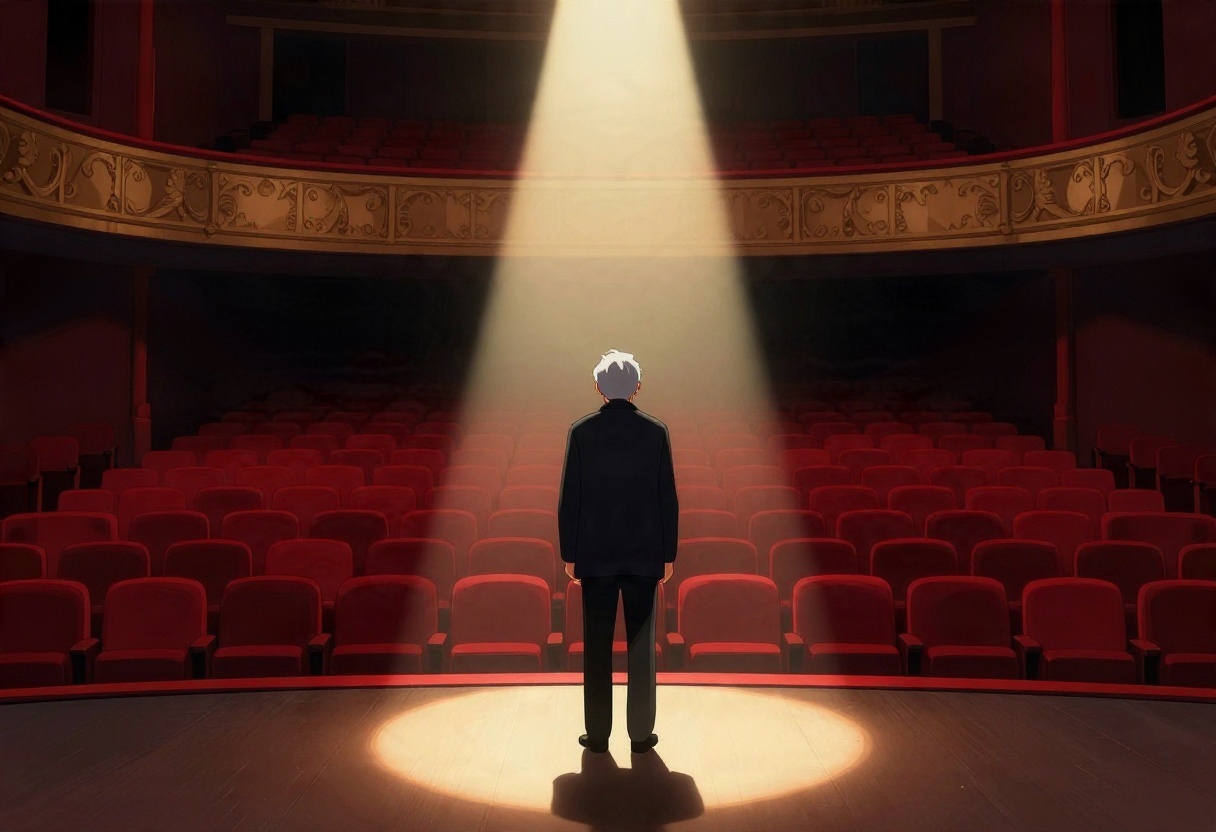
Patrick Stewart died on October 31, 2026, at ninety-four. The news arrived as autumn rain. What struck people wasn't just that he'd lived so long, but that he'd never disappeared—never retreated to the quiet peripheral life that age permits.
For seventy years, he'd moved through Shakespeare. Hamlet. Macbeth. Prospero. Not as a young man chasing roles, but as an aging actor who seemed to grow more insistent, more necessary, as his face deepened and his voice cracked with earned weight. He performed until weeks before his death.
Television had made him globally recognizable. Millions knew him as Captain Jean-Luc Picard. But that fame was almost incidental to what he'd actually built: a demonstration that an actor's work wasn't a sprint to visibility. It was a practice. A form of courage.
He'd shown the world something it didn't want to see: that excellence wasn't about staying young. It was about becoming more precise, more purposeful, more awake.
But how did a boy from an industrial English town decide that this was his task?