When Documentaries Become Reckoning
The Invitation: When the Accused Ask to Be Filmed
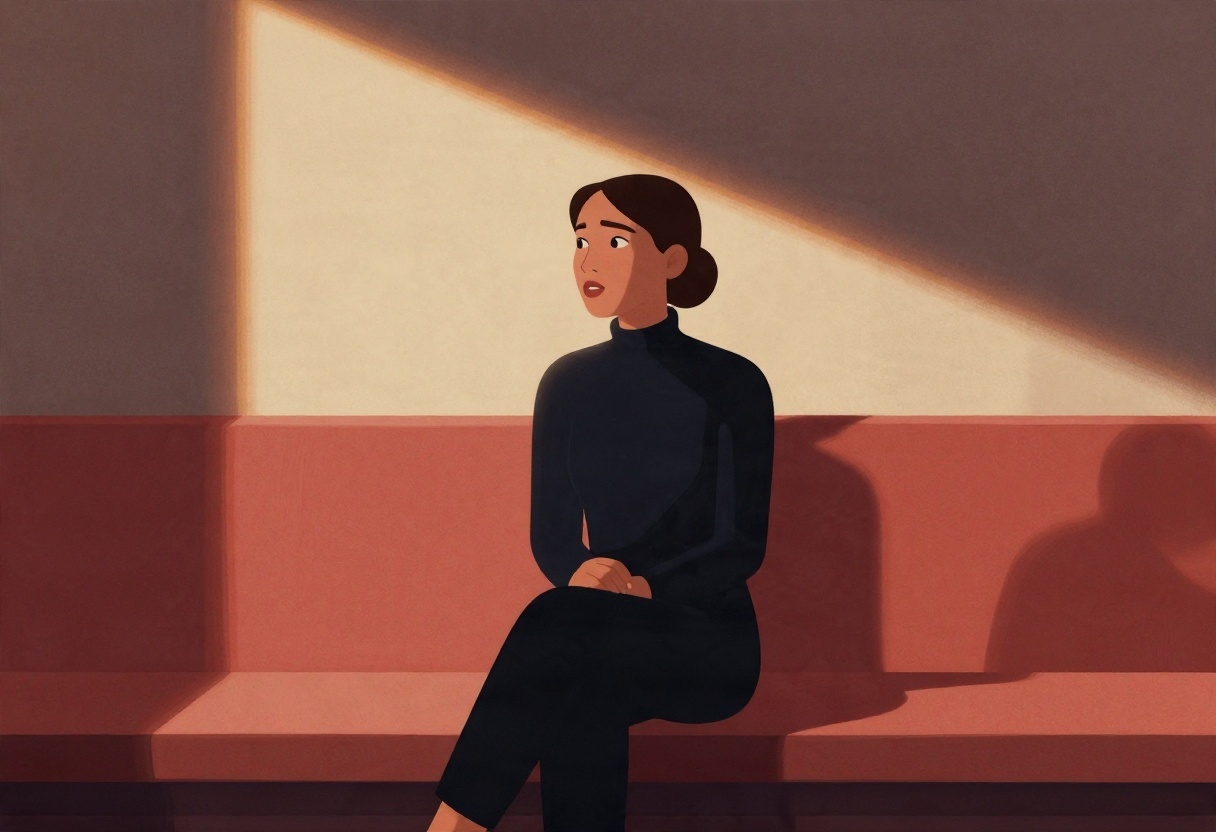
Elizabeth Holmes wanted to tell her own story.
In 2022, with thirty-four days left before prison, she invited filmmakers into her life. The deal seemed simple: document her final stretch of freedom, her version of events, her side of Theranos. She believed the camera would let her control the narrative that courts and prosecutors had already mangled.
What she didn't anticipate was three years of footage piling up. Not just her curated moments, but the spaces between them. The conversations no one thought were being recorded. The contradictions that emerged slowly, frame by frame, when you watch someone across enough time.
Filmmakers aren't judges. They're mirrors. And mirrors don't negotiate with people who built their lives on reflection management.
Holmes had spent two decades perfating a persona—the black turtleneck, the affected baritone, the startup mythology. She knew how to perform for depositions, for investors, for journalists hungry for the next Silicon Valley fairy tale. But film has a different grammar. It catches the blink between narratives. It records the pause that reveals doubt.
She invited the camera thinking it would vindicate her.
Instead, it became the evidence she couldn't control.